
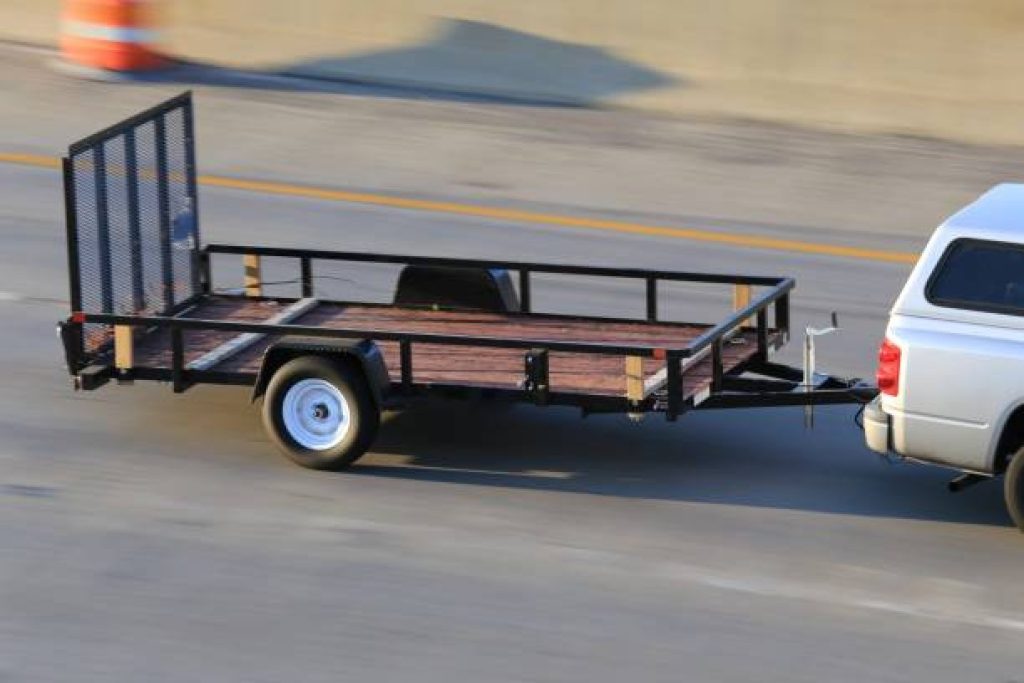
There is a moment almost every trade or business owner reaches, standing in front of a showroom trailer that is close enough to what they need, but never quite right. That small gap between close enough and exactly right is really the whole reason custom trailer fabrication exists. A purpose-built trailer is designed around the job it will actually do, rather than the average job someone assumed it might be used for.
This guide works through when a custom build genuinely earns its higher price tag over a mass-produced trailer, looking honestly at Australian Design Rules, realistic build timelines, and what each option actually costs once the dust settles.
When a Mass-Produced Trailer Falls Short
Off-the-shelf trailers are built to suit as many buyers as possible, which means compromise gets baked into the design from day one. That compromise tends to show up in a handful of familiar places once a trailer is actually put to work.
· Weight distribution that does not quite match the load it is carrying.
· Awkward or limited storage for tools, equipment, or specialised gear.
· Suspension and axles rated for general use rather than heavy or uneven loads.
· Little room to add compartments, ramps, or mounting points down the track.
For light, occasional jobs, a standard trailer is usually more than enough. The trouble tends to start when a business tries to squeeze a demanding job onto equipment that was never designed for that job.
Understanding Custom Trailer Cost Vs Off-the-Shelf Pricing
One of the first questions most people ask is about custom trailer cost, and it is a fair thing to want clarity on. A custom build will usually cost more upfront than something pulled straight off a dealer lot, and there is no point pretending otherwise.
| Cost Factor | Off The Shelf Trailer | Custom Fabricated Trailer |
|---|---|---|
| Upfront price | Generally lower | Higher, reflecting tailored design |
| Fit for purpose | Approximate | Built to exact specifications |
| Long-term running cost | Can climb with poor fit or early wear | Lower, thanks to purpose-built durability |
| Lifespan and resale | Standard depreciation | Often extended through sturdier construction |
Looked at as a single purchase, the custom option seems like the pricier choice. Over several years of daily use, many businesses find that the equation quietly flips, especially once fewer repairs & less downtime are added to the picture.
Why Australian Design Rules Compliance Should Never Be an Afterthought

A trailer chassis built to Australian Design Rules standards is not just a box to check for registration. These standards govern weight ratings, braking requirements, coupling strength, and structural integrity, all of which have a direct bearing on safety once the trailer is out on the road.
Working with an experienced fabricator generally means these things are considered from the very first design conversation, rather than patched on afterwards.
1. Chassis strength matched properly to the intended load and axle setup.
2. Braking systems rated correctly for the trailer’s gross mass.
3. Coupling and towing components certified to Australian requirements.
4. Suspension & tyre load ratings matched to exceed the trailer’s Aggregate Trailer Mass.
A trailer that has had compliance built in from the outset tends to avoid the frustrating, costly delays that come with a failed inspection or a last-minute scramble to fix something.
What A Realistic Trailer Fabrication Timeline Looks Like
A common worry around custom builds is the assumption that they will drag on far longer than simply buying something ready-made. In practice, a well-managed trailer fabrication timeline is often more predictable than people expect.
1. An initial conversation to nail down load requirements and intended use.
2. Design and engineering, with compliance factored in from the start.
3. Fabrication of the chassis and core structure.
4. Fitout of compartments, mounting points, or accessories.
5. Final inspection, compliance certification, & handover.
Timeframes will naturally shift depending on how complex the build is, but a clear scope from day one tends to keep everything moving without surprises along the way.
Weighing Custom Trailer vs Off-the-Shelf for Your Business
The decision between a custom trailer and an off-the-shelf option usually comes down to how specific the job actually is. A custom build tends to make sense once a business is dealing with any of the following.
· Unusual load shapes, weights, or dimensions.
· Equipment that needs secure, purpose-built mounting.
· Frequent, repetitive hauling where reliability really does affect the bottom line.
· A genuine need for compliance certainty on a chassis built to exact specifications.
If none of that applies, there is nothing wrong with a standard trailer doing exactly what it was built to do.
Building a Trailer That Works as Hard as You Do
At the end of the day, choosing between a mass-produced trailer and a purpose-built one comes down to how closely the equipment must match the work it is doing. With 30 years of experience in welding and metal fabrication, 4 Welds Fabrications brings real, hands-on expertise to custom trailer fabrication, carrying the same care through design, compliance, and build that has shaped their reputation in the fabrication industry. If you are a perfection seeker, look no further; contact us to get the job done to your satisfaction.